
Building Decentralized Solutions That Actually Work
We started rationalehub in 2019 because we were tired of seeing blockchain projects that looked impressive but fell apart under real-world pressure. Based in New Taipei City, we focus on dApps that solve actual problems.
From Frustrated Developers to Trusted Partners
Back in 2018, we were building traditional web applications and watching the blockchain space explode with projects that promised everything but delivered half-working prototypes. The gap between the marketing hype and technical reality was massive.
So we made a decision. Instead of jumping on every new trend, we'd focus on building decentralized applications that businesses could actually depend on. No flashy promises about overnight transformation. Just solid architecture, thorough testing, and honest conversations about what's possible right now versus what needs more time.
The Taiwan market gave us something valuable – clients who wanted innovation but weren't willing to bet their business on unproven technology. That healthy skepticism shaped how we work today.

What Guides Our Work
These aren't just nice words on a website. They're the principles we argue about in team meetings and use to make hard decisions when clients want features that sound good but won't actually help them.
Technical Honesty
We tell you when blockchain isn't the right solution. Sometimes a traditional database is faster, cheaper, and more reliable. Our job is to build what you need, not to sell you on decentralization for its own sake.
Real-World Testing
Every dApp we build goes through scenarios that mimic actual use – network congestion, unexpected user behavior, edge cases that only show up at 2am on a Sunday. Because finding problems in our lab is way better than your users finding them in production.
Long-Term Thinking
Quick hacks and temporary fixes might get a project launched faster, but they create maintenance nightmares. We build with the assumption that you'll still be using this application in 2028, which means architecture decisions matter more than launch dates.
Meet Someone Who Makes This Work
Our team has grown to twelve people since 2019. But instead of listing everyone with identical descriptions, here's someone whose work directly impacts what we deliver.
We're a mix of blockchain developers, traditional backend engineers, and a couple of security specialists who used to break things professionally before joining us.
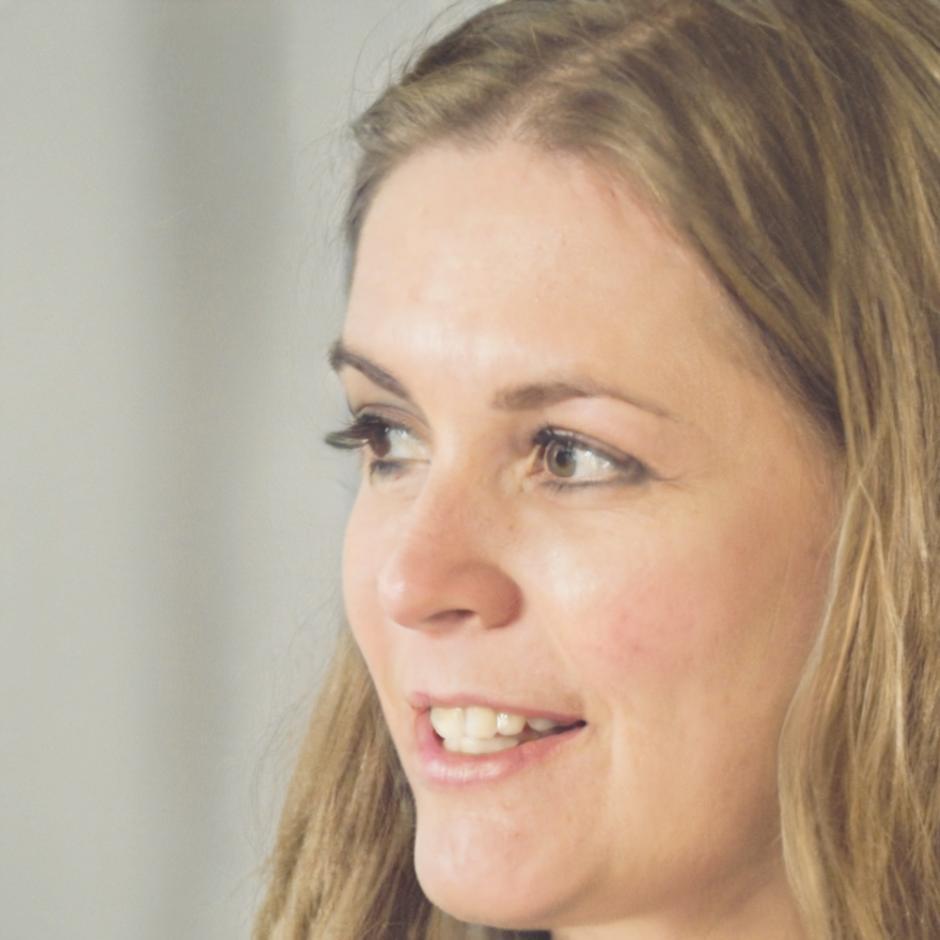
Linnea Vestergaard
Lead Blockchain Architect
Linnea joined us in early 2021 after spending three years at a Copenhagen fintech company where she watched too many blockchain pilots fail due to poor architecture decisions. She's the person who challenges every technical choice we make – in a good way.
When a client asks if we can add a feature, Linnea's the one figuring out if it'll still work when transaction volume increases by ten times. She also runs our internal code reviews, which some team members describe as intense but fair.
Reach her at info@rationalehub.com for technical discussions about architecture patterns.



How We Actually Build These Things
Our process isn't revolutionary. We start with a detailed discovery phase where we figure out if blockchain makes sense for your use case. Then we build a proof-of-concept that tests the riskiest assumptions first.
Development happens in two-week sprints with regular check-ins. You see working code early and often, which means we catch misunderstandings before they become expensive problems. And we document everything – not because it's fun, but because six months from now someone needs to understand why we made specific choices.
Security audits happen before launch, not after. We also stick around for the first few weeks of production to handle issues that only appear under real load.
See What We Build